There's a lot of chitchat about wood-fired pizza in the streets of Nepal. Some menus in Thamel promise to be wood-fired. But fewer than half the kitchens behind them actually own a wood oven.
You can't really tell from the street. You can't tell from the photos. By the time the pizzas are on your table, you've already paid for it.
In this guide, we give you the six signs to check instead. Then we apply them, through our view, across Kathmandu, Pokhara and Lalitpur.
We have our reason for writing this guide. It began in 1992. Two brothers opened a small cafe on the streets of Thamel, and the first wood-fired pizza oven in Nepal. That was Roadhouse Cafe.
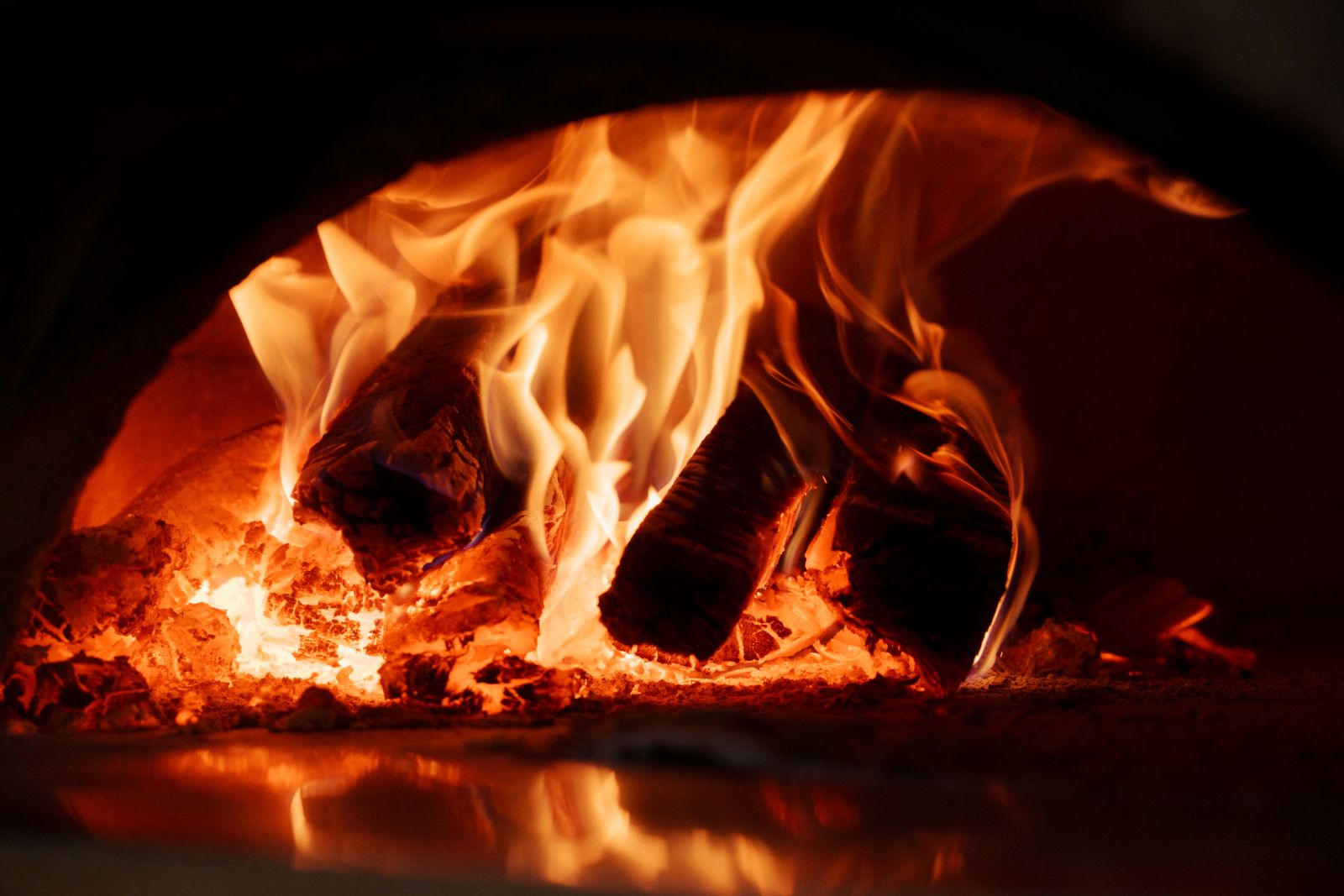
It matters for one reason only. Thirty-four years of running wood ovens in Nepali conditions teaches you what a good option looks like, and what a bad one could be hiding.
Roadhouse's import arm, RC & Co, now supplies PizzaMaster, Valoriani and Ageno ovens to other Nepali kitchens. So our criteria below come from both sides of the fire.
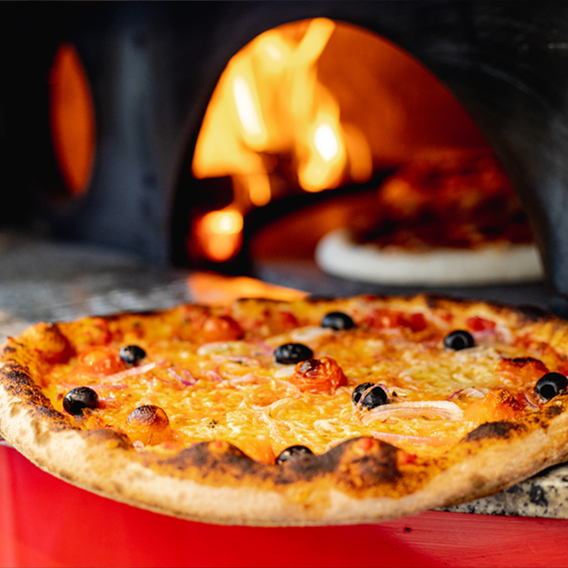
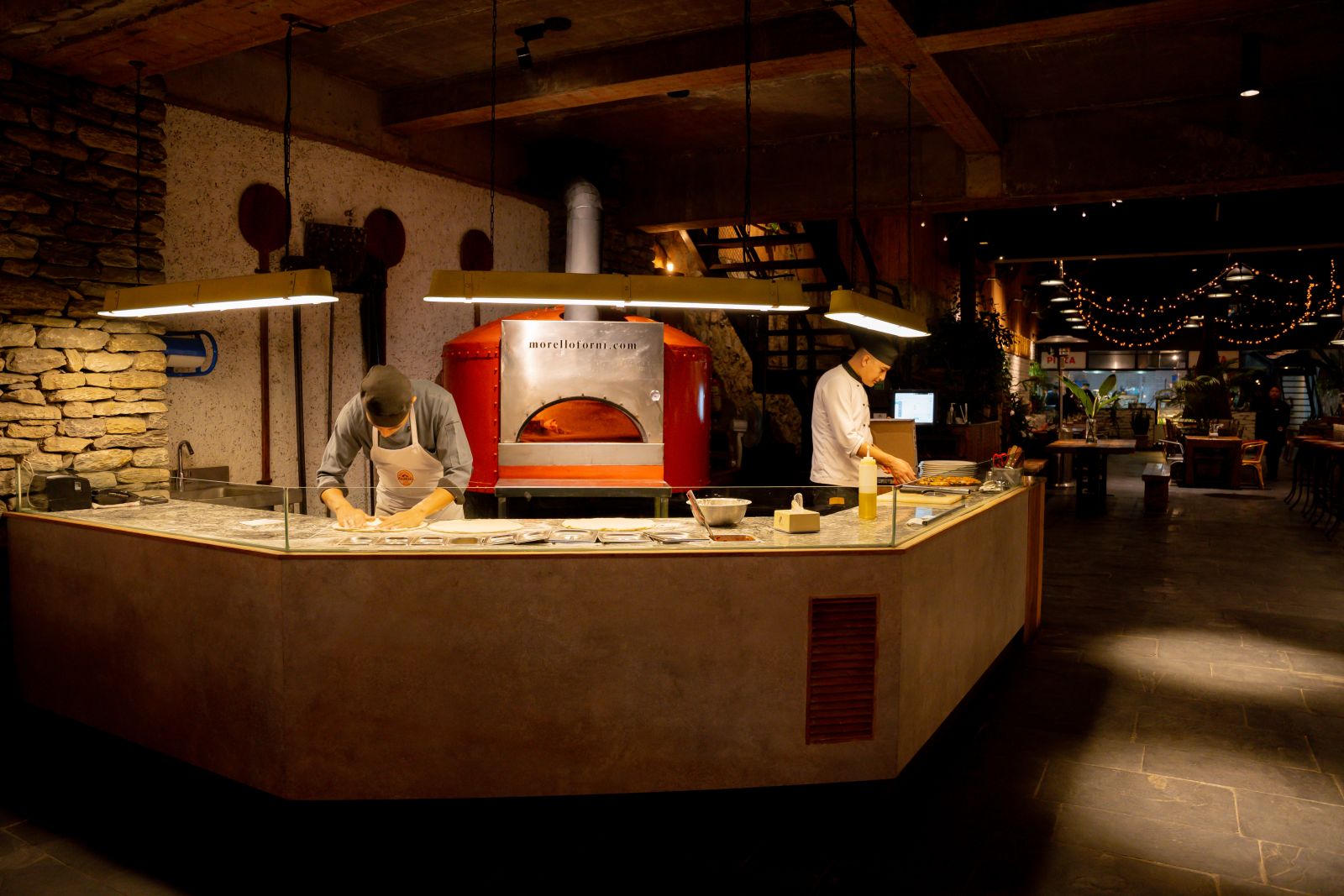
A proper wood oven runs really hot. A pizza cooks in 90 seconds to two minutes. If your pizza takes twelve minutes, you're not eating from a wood oven.
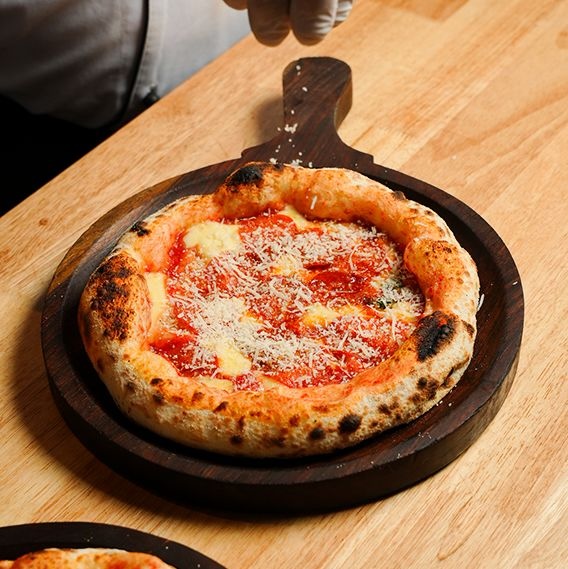
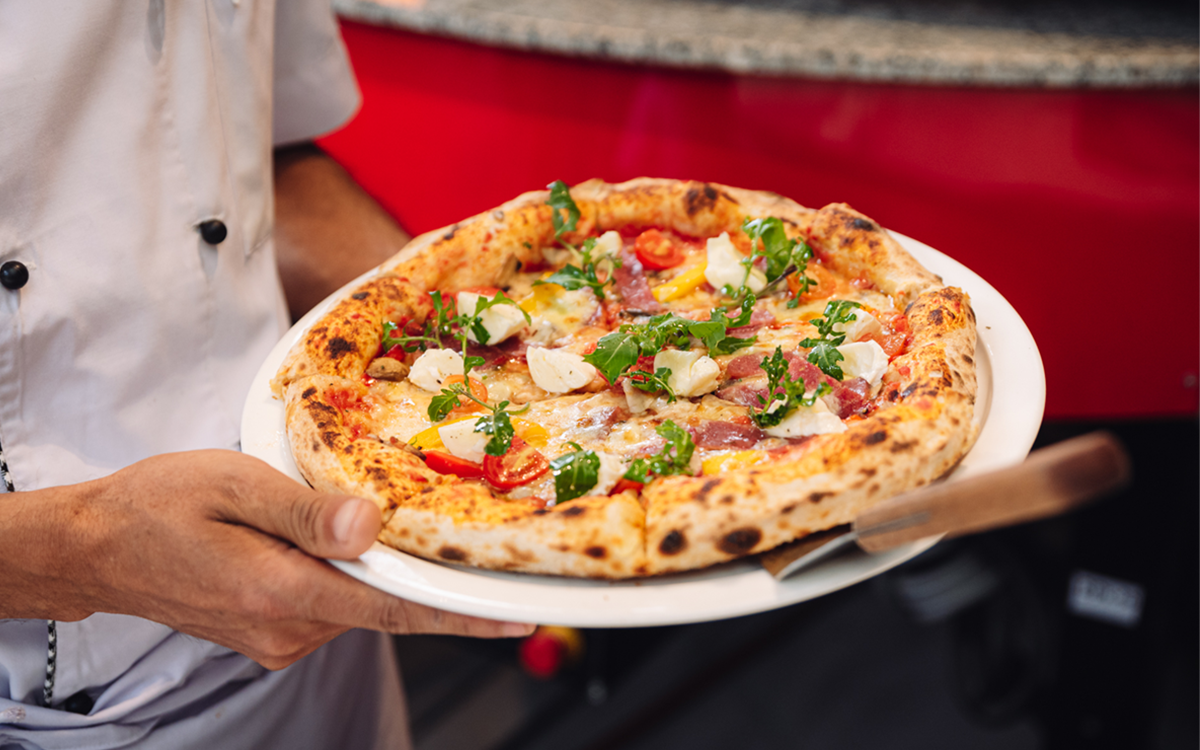
Look at the crust. Real wood fire leaves irregular dark blisters, called leoparding, on a base that is still pale. Uniform golden-brown across the whole rim means even electric heat.
Lift a slice from the tip. A well-rested dough holds its shape for a second, then bends. A cracker-stiff base means underhydrated dough. If a slice collapses immediately, it means the cooking floor wasn't hot enough to set it.
Buffalo mozzarella releases water and pools slightly. Processed pizza cheese sits in an even orange sheet and turns rubbery as it cools. Ask what they use. Good kitchens have a good answer.
Ask where the toppings like tomatoes, basil and meat come from. In Nepal, the honest answer is a mix of imported and local, and a kitchen that can name its suppliers is a kitchen that checks them.
A 10-12 inch wood-fired pizza with real mozzarella costs a kitchen real money. A Rs 450 margherita is telling you something about the ingredients.
Kathmandu has the deepest pizza bench in the country and the widest spread of quality.
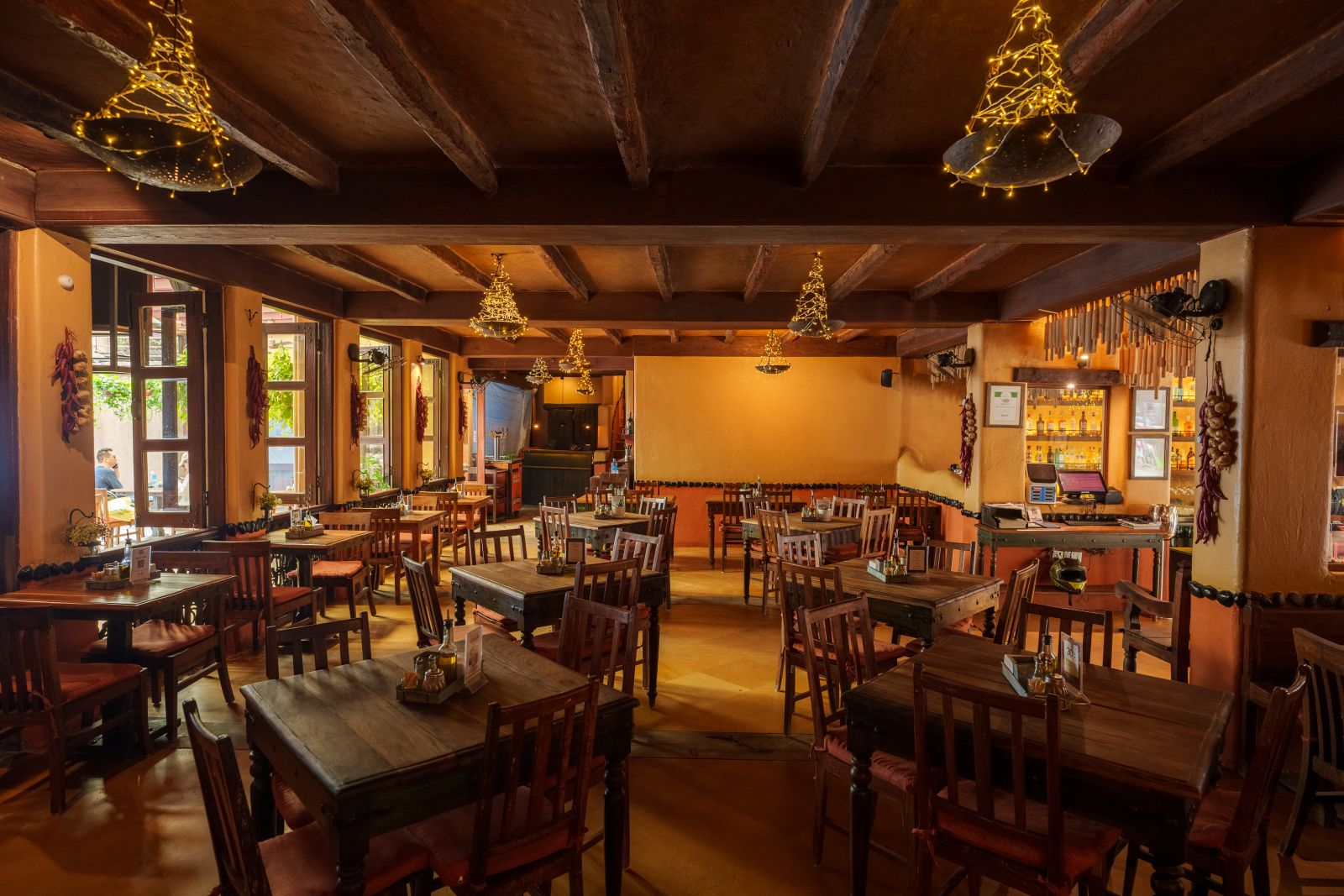
Roadhouse Cafe Thamel, the original 1992 cafe, with a garden patio at the back and mosaic walls. The design is the reference point behind every Roadhouse outlet in Nepal.
Fire and Ice Pizzeria has run since 1995 under Naples-trained founders and operates in 2 locations within the valley—thin base, restrained toppings, consistent. A good reference point against the pizzas of Kathmandu.
Vera Pizza on Mandala Street works to a Neapolitan brief with a short menu and a wet centre. If you want the soft-middle Naples style rather than a crisp base, start there.
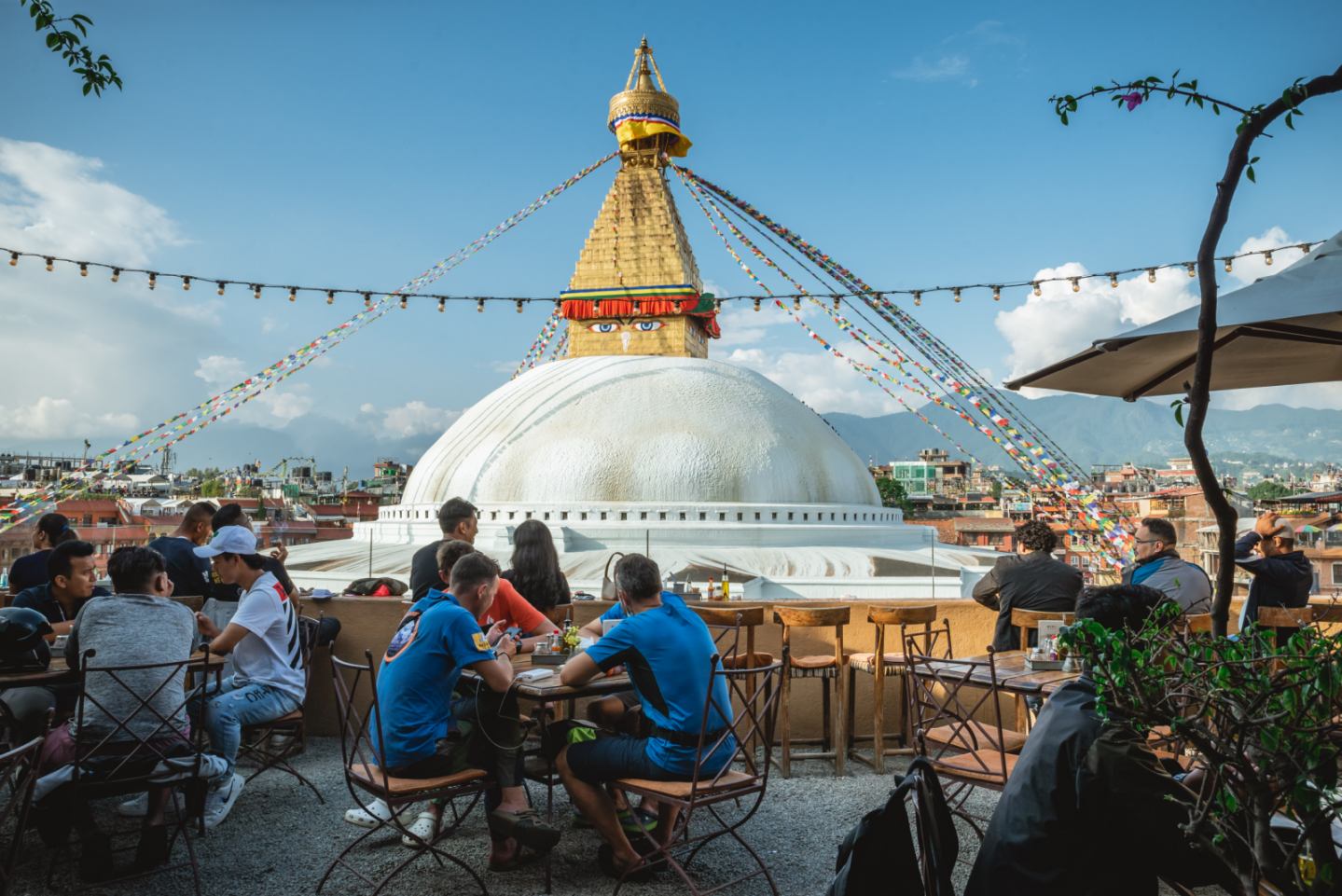
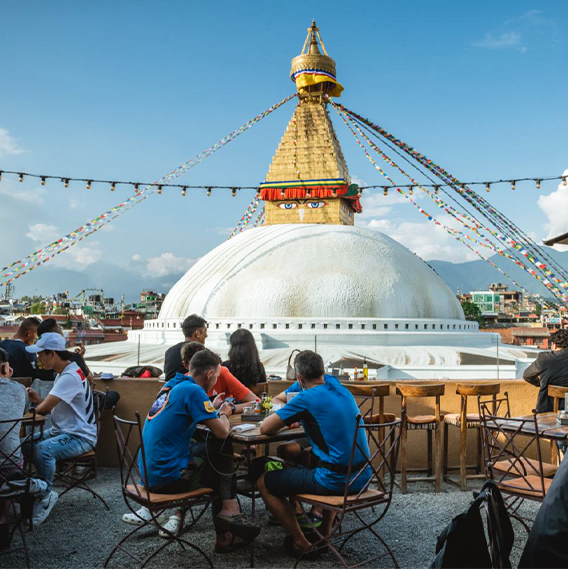
Roadhouse Cafe Boudha is a major Roadhouse outlet that sits inside the Kora Circle with mesmerising stupa views from the rooftop, a combination any other pizza kitchen in the valley simply can not offer.
Alchemy Pizzeria, Bricks Cafe and Impasto each hold their own on crust. PJ Pizza and Pizza Planet compete on price and delivery rather than fire.
For the full street-by-street breakdown with prices, read the Kathmandu pizza guide.
Pokhara's pizza market is smaller, more seasonal and more forgiving of tourists. Standards vary sharply between October and July.
Godfather Pizzeria and Caffe Concerto on the Lakeside strip both hold reputations across seasons. Margharita Ristorante Italiano runs an Italian-led kitchen. Movie Garden trades more on the setting than the crust.
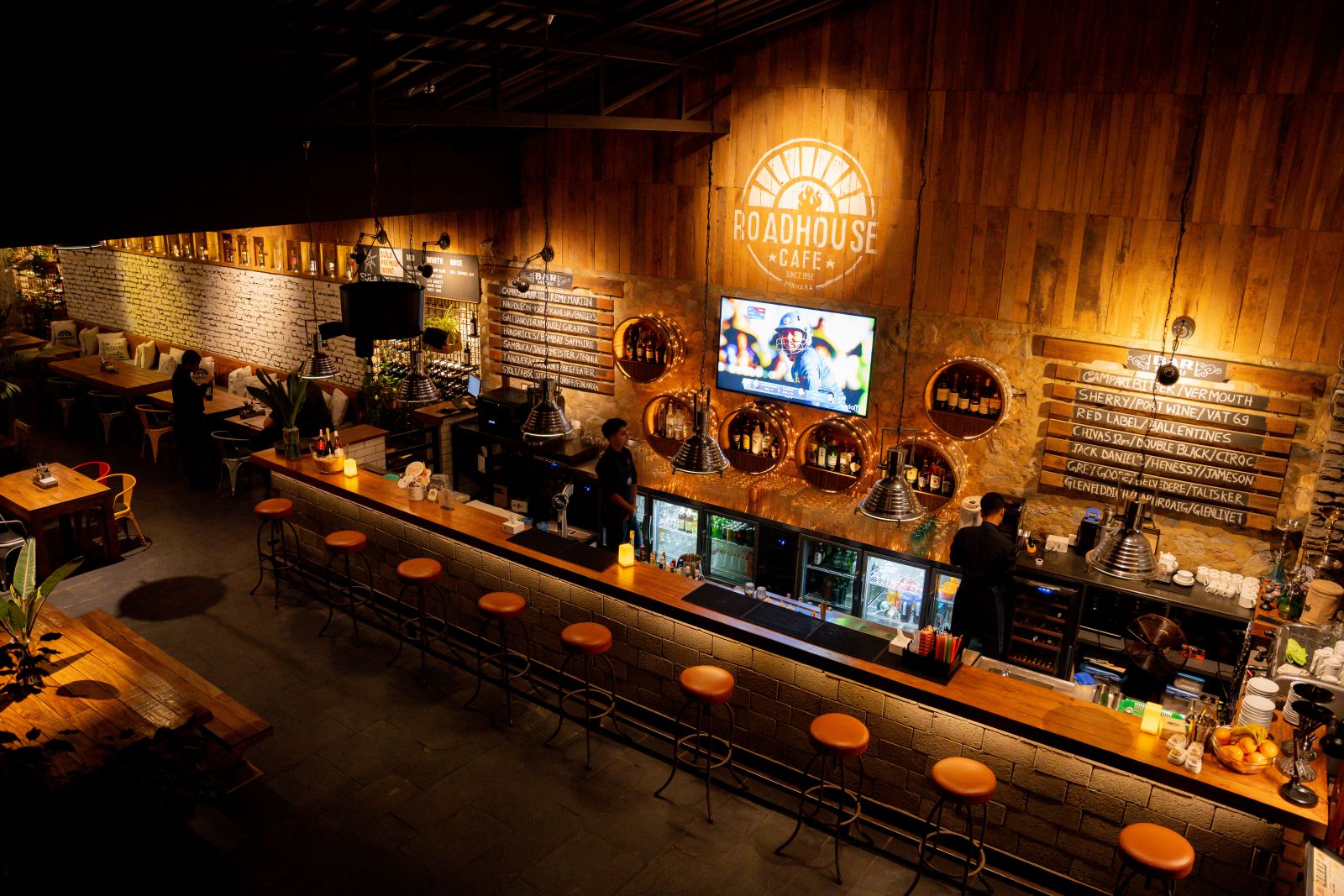
Roadhouse Cafe Lakeside at Hallan Chowk is number 8 out of 426 restaurants in Pokhara on Tripadvisor as of 2026. One reviewer has called it probably the best place in Pokhara for pizza. Their word, not ours.
The Lakeside detail, including where to eat after a trek and where to stay, is in the Pokhara Lakeside guide.
Lalitpur lives differently and eats differently. The crowd is local, professional and expat, and it returns weekly rather than once per trip.
It's a much harder market. A tourist forgives a bad pizza because they're leaving on Thursday. A regular in Jhamsikhel does not come back.
Roadhouse Cafe Jhamsikhel in Pulchowk opens 11 AM to 10 PM daily and does most of its volume on the Margherita, the Bacon pizza and the Loaded Potato Skins. Roadhouse Pizzeria in Labim Mall has the same oven standard closer to the southern neighbourhoods.
The district guide covers Patan Durbar Square, parking and who eats where, in the Lalitpur restaurant guide.
Nepal grows a major pizza ingredient, and most kitchens ignore it.
Nepal's Yak cheese from the high pastures is firm, slightly sweet and much lower in moisture than cow's milk cheese. It behaves like a young pecorino under high heat. It browns rather than melting onto a sheet.
On the four-cheese pizza at Roadhouse, it does the job parmesan usually does, but with a grassy edge that tastes like where it came from. It costs more than imported processed cheese and it doesn't travel well, which is exactly why so few menus have it.
Ask for it. If a kitchen serving pizza in Nepal has never considered a Nepali cheese, it tells you how much thinking has gone into the rest of the menu.
The best pizza in Nepal is not a single address. It's whichever kitchen near you cooks in 90 seconds, uses real mozzarella and tells you where the ingredients come from.
Take the six checks to any pizzeria in the country. Most will fail. The ones that pass all six are worth your night.
If you're eating in Thamel, the cafe attached to Hotel Roadhouse has been running the same oven since 1992.